
Kisa North Ward
What You Need To Know About Kisa North Ward In Khwisero Sub-county, Kakamega County
Aug
Kisa North Ward is one of the four administrative wards located within Khwisero Sub-county in Kakamega County, Western Kenya. Known for its vibrant agricultural activity, rich cultural heritage, and growing population, the ward plays a key role in the socio-economic development of the larger Khwisero region. It is predominantly rural, with close-knit communities that depend on farming, small-scale trading, and community-driven initiatives for their livelihoods.
Over the past few years, Kisa North has been the focus of increased attention from both the county government and development partners, particularly in areas such as infrastructure development, rural electrification, water access, and agricultural modernization. Despite ongoing challenges such as limited access to quality healthcare, youth unemployment, and pressure on natural resources, the ward continues to show promise through its active civic participation and emerging local leadership.
This overview examines the key features of Kisa North Ward,, including its location, demographics, economy, infrastructure, education, and development priorities, to provide a comprehensive understanding of its current status and future potential.
Location and Administrative Structure
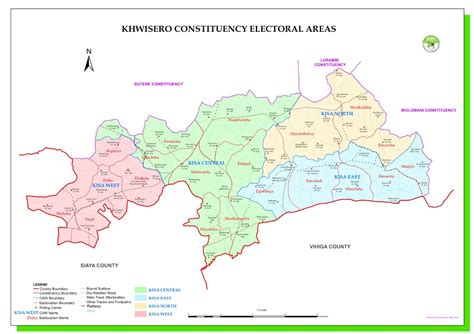
Kisa North Ward is one of the four administrative wards within Khwisero Sub-county, alongside Kisa East, Kisa West, and Kisa Central. It falls under the jurisdiction of Khwisero Constituency, which is represented in the National Assembly of Kenya. The ward is part of Kakamega County, within the western region of Kenya, and plays a vital role in the socio-political landscape of the county.
Geographically, the ward spans approximately 31.5 square kilometers, with notable sub-locations including Mundobelwa, Mwikalikha, and Emuruba. These sub-locations host a mix of rural settlements, small market centers, and farming communities.
Population and Demographics
Kisa North Ward is home to an estimated population of over 19,000 people. As of the 2022 electoral register, there were approximately 10,810 registered voters, making it one of the more active wards in terms of civic participation within Khwisero Constituency.
The population is largely youthful, with many families depending on small-scale agriculture and informal trade. The area has a balanced gender distribution, and many households engage in multi-generational living, a typical feature of rural western Kenya.
Economic Activities
The local economy of Kisa North is primarily driven by agriculture, which employs the majority of the population. Key food crops grown include maize, beans, sweet potatoes, cassava, and vegetables. In recent years, there has been a shift toward promoting cash crops like sugarcane and tea.
In 2023, the county government introduced tea seedling distribution programs in areas like Ekonjero (within Kisa North), aiming to diversify farming practices and encourage sustainable income for families. Additionally, dairy and poultry farming are gaining popularity, especially among women’s groups and youth cooperatives.
Local trading centers such as Emusutswi and Ebuliangoya serve as key economic hubs where farmers sell their produce, and traders offer household goods and services. The economic growth in these centers has been boosted by improved road infrastructure and electricity access.
Infrastructure Development
Road Network
Under the leadership of Governor Fernandes Barasa, the county launched infrastructure upgrades across all wards, including Kisa North. A significant initiative is the 10-kilometers-per-ward road construction project, which saw the development of the Emasatsi–Eshikwata–Emuruba Primary–Ebuliangoya road. This has enhanced mobility for residents, especially farmers and schoolchildren.
Electricity and Water Access
Kisa North has seen notable progress in rural electrification. Villages such as Mundobelwa, Mushinaka, Eshimenya, Ebuchwetsi, and Ebukanga have benefited from last-mile electricity connection programs supported by the national and county governments. This has supported business growth and improved school performance.
On water access, the county government has proposed a Ward-Based Water Project specifically targeting Kisa North. The project seeks to install boreholes and distribution tanks in underserved villages, addressing the region’s long-standing clean water challenges.
Education and Social Services
Education is a key focus in Kisa North. Several primary and secondary schools serve the ward, including Khwisero Secondary School, located in North Kisa sub-location. This is a mixed day-and-boarding school that caters to over 300 students with a team of about 15 teachers. Other schools in the ward include Emuruba Primary, Eshikwata Primary, and Ebulako Secondary.
Despite the availability of schools, challenges persist such as limited resources, inadequate classrooms, and understaffing. The local government and NGOs have been working to improve facilities and provide bursaries to needy students.
In terms of health, Kisa North relies on dispensaries and health centers such as Ebulako Dispensary, but there’s an urgent need for upgrades, medical staff, and essential drugs. Outreach programs, especially for maternal and child health, have been carried out periodically.
Social support initiatives have included the donation of blankets, mattresses, and food supplies to vulnerable groups—particularly the elderly and people with disabilities—spearheaded by the county social services department.
Governance and Representation
Kisa North Ward is represented in the Kakamega County Assembly by an elected Member of the County Assembly (MCA). The MCA serves as a bridge between the community and county leadership, advocating for development projects, health services, education improvements, and employment opportunities.
Community participation in governance is relatively high, especially through public barazas (community meetings), ward development committees, and youth/women group forums.
Challenges and Opportunities
While Kisa North Ward has seen positive changes, several challenges persist:
-
Healthcare access remains limited in remote areas.
-
Youth unemployment is high, pushing many young people to seek work in urban centers or boda-boda (motorbike transport) services.
-
Soil degradation and climate change are affecting traditional farming systems.
-
Some areas still struggle with inadequate water and sanitation infrastructure.
On the flip side, the ward holds significant potential due to its agricultural productivity, improving infrastructure, and a youthful population that could drive innovation if adequately supported.
Summary
Kisa North Ward in Khwisero Sub-county is a vibrant rural region with a strong agricultural base, a growing population, and a government keen on development. With continued investment in roads, water, education, and energy, the ward can become a model of rural transformation in Kakamega County.
